There are two very different worlds that shape my life every single week.
From Monday to Friday afternoon, I work as a financial adviser in my business in an industry that, here in Australia remains largely male dominated. I hold client meetings, attend boardroom discussions with other professionals and, very often, I’m the only woman in the room. I operate in an environment that values speed, decisiveness, availability and constant engagement.
And then, every Friday before sunset, I step out of that world entirely.
As an observant Orthodox Jewish woman, Shabbos begins at a precise time. Not when the last email is sent. Not when the week feels complete. It begins when the sun sets — and when it does, I stop.
For 25 hours, I don’t transact. I don’t answer calls. I don’t use my mobile phone. I don’t open my laptop, check markets, negotiate, produce or communicate with anyone in my professional zone.
I enter into another zone.
In an profession that can be time-critical, stopping is countercultural. But it has been the single most grounding force in my life.
People are often surprised to learn that I have only been into the CBD on a Friday night once in my entire life — and I’m 56. Once.
There were no Friday night drinks. No spontaneous networking events. No lingering in the city as the week wound down.
While colleagues were gathering at bars to decompress, I was heading home to what I call my parallel life.
Friday afternoon for me was never about winding down. It was about rising up. In fact, it’s not uncommon for shabbos preparations to start already on Thursday or even before if hosting guests.
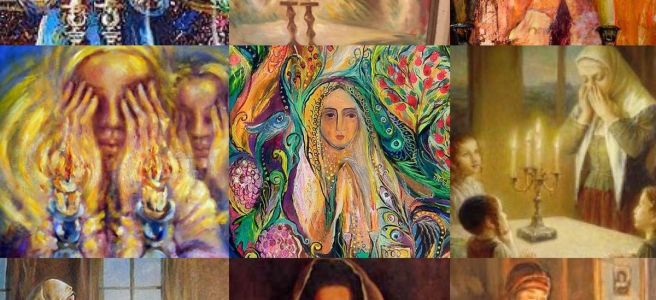
Cooking. Preparing. Setting the table. Showering children. Braiding hair. Lighting candles. Transforming a regular home into something elevated.
In Jewish thought, Shabbos is described as the Shabbos Queen. We don’t simply observe it; we welcome her. We prepare for the Shabbos Queen like an honoured guest. And traditionally, it is the woman who ushers her in.
There is a concept in Judaism of the akeret habayit — the foundation or essence of the home. The spiritual anchor. The one who creates the atmosphere.
In a male-dominated professional world, I have often had to assert my place.
But on Shabbos, my place is inherent.
When I light the candles, I am not competing. I’m not proving anything. I’m not building anything.
For twenty years, I raised three daughters on my own while growing my career. That required resilience. It required competence. It required emotional strength – 3 daughters!
But Shabbos was my weekly exhale.
No matter how intense the week had been — navigating complex strategies, proving myself in rooms where women are still underrepresented — Shabbos reminded me that my worth was not tied to performance.
My daughters grew up knowing that one day a week, their mother was fully present. No phone and No “just a quick email.” We hosted guests. We sang. We spoke about ideas and values. And, while I’d like to say we rested, well, we did rest from the week but our Shabbos activities in the neighbourhood were always active, with a strong focus on family and community. When I come back to work on Monday and share my shabbos activities, it sounds exhausting, but for me it’s invigorating. Sunday’s more of the rest day!
My children saw that you could be a professional woman in a secular, competitive industry and still be deeply anchored in faith. They saw that success did not require abandoning identity.
Today, my daughters are grown and living overseas. The house is quieter. The Friday afternoon chaos has softened.
And after being single for twenty years, I am now in a new marriage.
Shabbos has taken on yet another depth.
In financial services, we talk constantly about investing — about allocating resources wisely for long-term return.
Shabbos is where I invest in my marriage.
In a world full of distraction, it gives us protected time. No screens. No interruptions. Just conversation, meals, walking together, hosting, reflecting.
It is relationship capital built weekly.
There is something profoundly empowering about this rhythm.
During the week, I operate in a system that historically has not always made space easily for women. I have had to earn my voice. Establish authority. Navigate expectations.
But every Friday night, I return to a space where the power of a woman is central.
Where creating the environment is not secondary — it is everything.
Shabbos has taught me discipline long before compliance frameworks did. It has taught me long-term thinking long before strategic planning sessions did. It has taught me boundaries in a profession that constantly tests them.
And perhaps most importantly, it has taught me integration.
From boardroom to candlelight.
From financial modelling to challah baking.
From being the only woman at the table to being the spiritual foundation of my home.
I have only been in the city on a Friday night once.
But every single Friday night, I have been exactly where I was meant to be — welcoming the Shabbos Queen, building my home, investing in my children, and now investing in my marriage.
In a world that glorifies constant hustle, Shabbos is my sacred pause.
In a career that demands presence, Shabbos reminds me who I am.
And standing in both worlds — fully committed to each — has not diminished me.
It has defined me. Shabbat Shalom!
 This may come as a huge surprise to many people but I’ve become a Shule Shoosher.
 Esther's Perspective